Pension provision
Support after retirement, including supplementing pension provision.

Clergy Assistance Fund — ROCOR in Europe and the UK
The Clergy Assistance Fund brings together the parishes of the Diocese of Great Britain and Western Europe in lasting care for priests, deacons, their wives and children. Small, voluntary monthly donations help build a sustainable basis for support during ministry, in retirement and in times of need. This is care for those serving today and for future generations of clergy.
The Fund’s areas of assistance address the everyday and exceptional needs of clergy and their families: pensions, salary support and insurance, emergency assistance, care for children and widowed clergy wives, and continuing education for clergy.
Support after retirement, including supplementing pension provision.
Help with clergy salaries where local parish provision is limited.
Help with the costs of medical insurance for clergy and their families.
Support in cases of illness, death and exceptional circumstances that create urgent need.
Help with costs connected with the birth and medical treatment of clergy children.
Help with the education costs of clergy children.
Care for widowed matushkas and children after the repose of a clergyman.
Help with suitable life insurance and its premiums to provide longer-term protection for clergy families.
Support for continuing education and professional development of clergy during ministry.
Follow Fund news, new parish tools and practical materials for clergy and parish helpers.
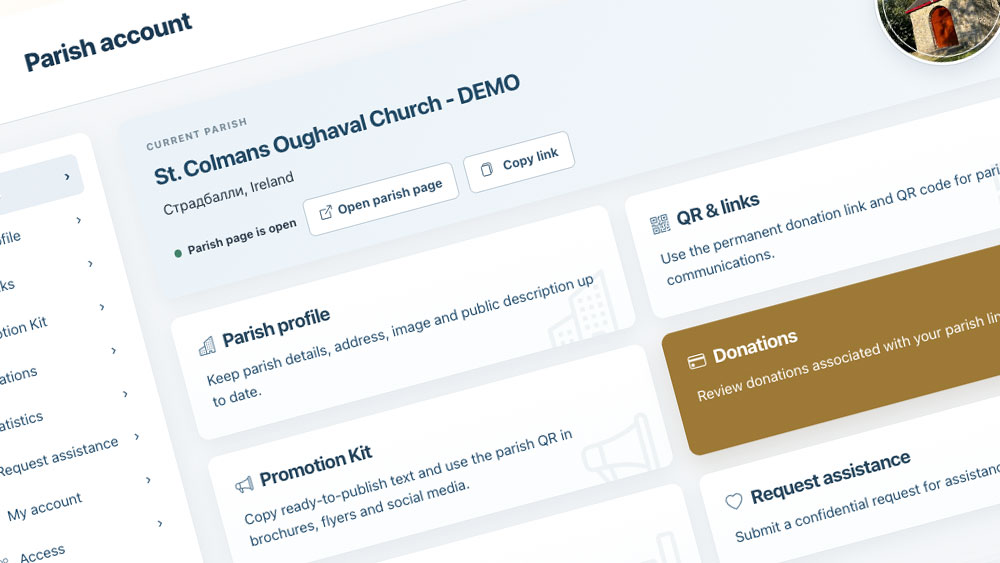
Authorised parish representatives, including members of the Parish Charitable Committee, can manage the parish profile, donation link and parish materials.
Read more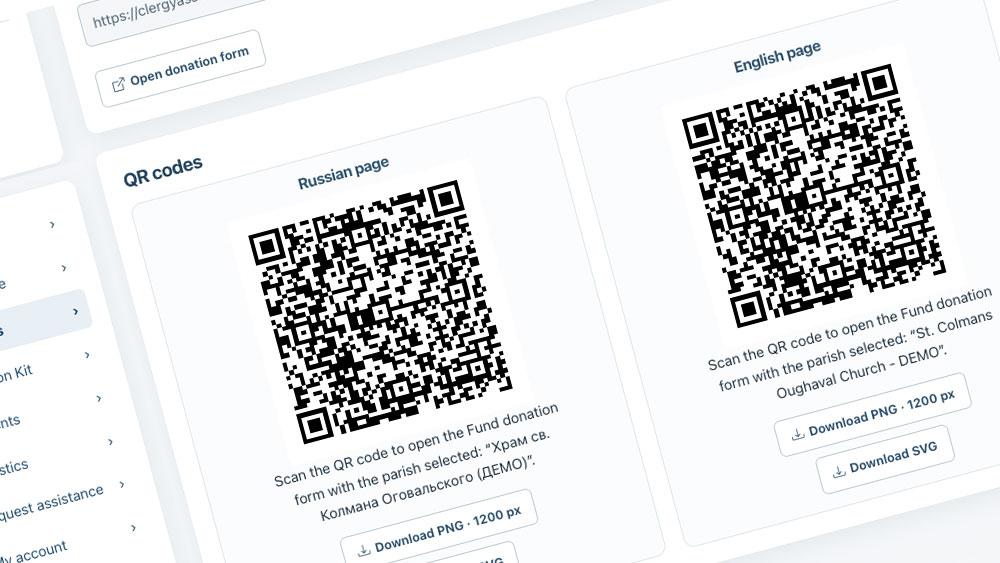
You can now use a permanent parish donation link, a dedicated page and a ready QR code for notices and printed materials.
Read more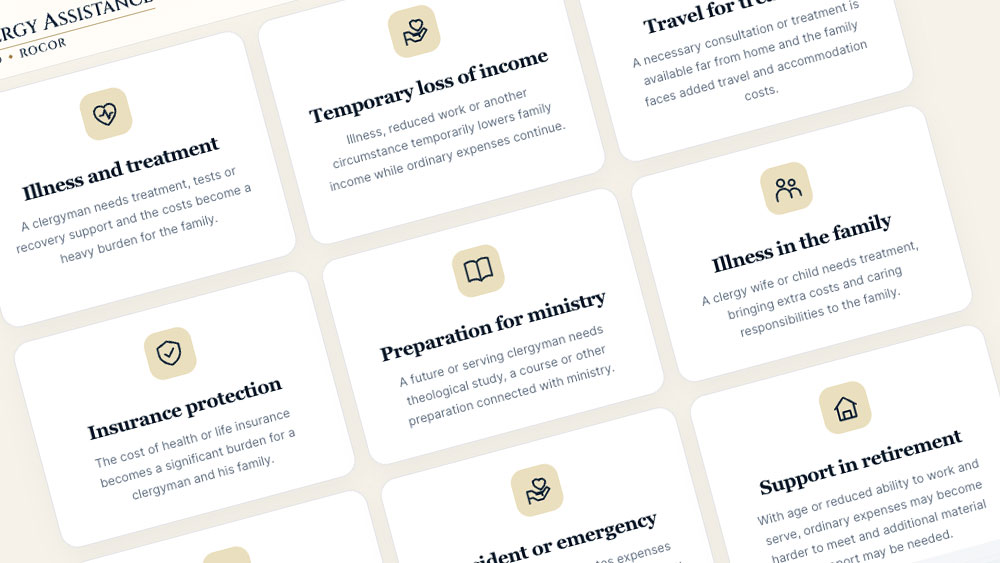
Examples of circumstances that may fall within the Fund’s areas of assistance and when a member of the clergy or their family may turn to the Fund for support.
Read moreBehind every number is a parish, a clergyman and a family. The Fund is building a shared system of support so that care for clergy can be steady across the diocese.
The Fund is built on small, voluntary monthly donations from families and parishioners across the Diocese. The appeal proposes €10 / £10 / CHF 10 a month as a guide, while each person chooses an amount within their means. This is a voluntary gift, not a Church tax. Larger and one-off donations are also gratefully received, but do not replace regular participation by many people.
“Bear ye one another’s burdens, and so fulfil the law of Christ.”
Galatians 6:2
Why is shared support needed?
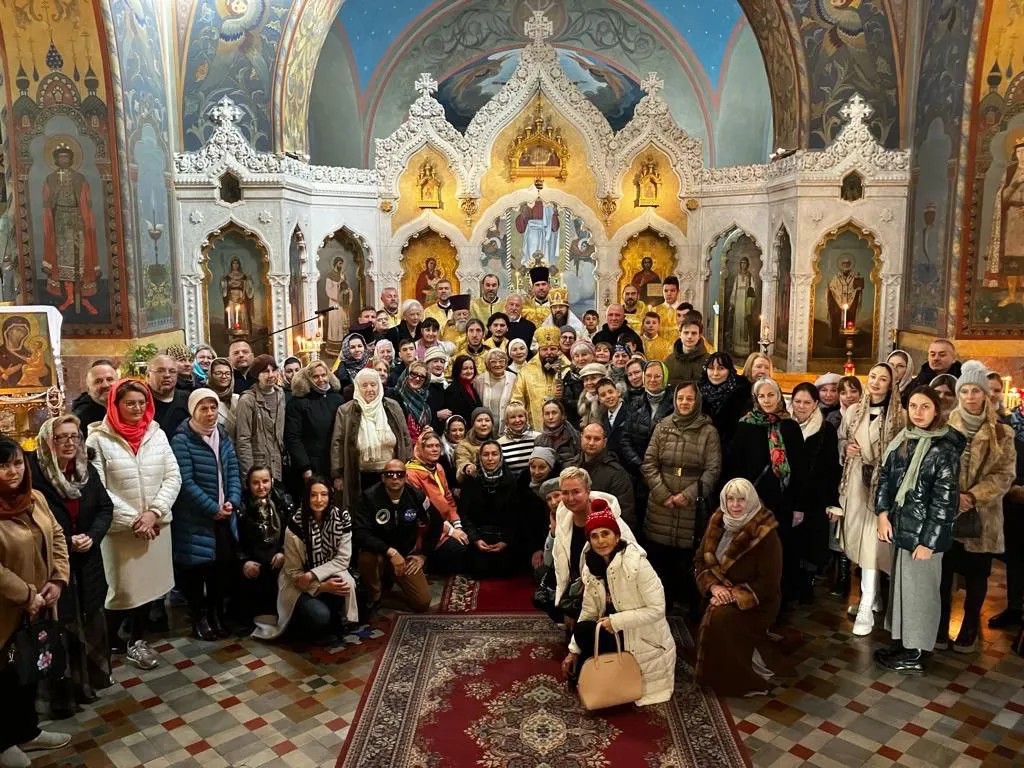
Parishes do their best to support their clergy, but very few can provide a salary. Local resources may barely meet ordinary needs; illness, family circumstances or exceptional costs can require additional help. The Fund supplements, rather than replaces, a parish’s care for its priest, deacon and their families.
Regular participation by many families helps establish sustainable support across the Diocese. This work also looks to future clergymen: those considering a life of service to the Church need to know that care extends to their own families as well as to the people they serve.
Plain answers about clergy life, giving, assistance and how the Fund works.
Parishes do their best to support their clergy, but very few can provide a salary. Local resources may meet ordinary needs, while illness, family circumstances or exceptional costs require additional help. The Fund is intended to supplement parish support and care for clergy and their families throughout life.
The Fund supports all priests and deacons of the Diocese, their wives and their children during active ministry, after retirement and in times of need, including care for families after a clergyman’s repose. Its aims also include support for future clergy. Each request is considered in light of the circumstances and available resources.
Pension provision; subsidies for salaries and medical insurance; emergency assistance; help with the birth, treatment and education of clergy children; support for widowed matushkas and children; life insurance; and continuing education and professional development for clergy.
The Fund supplements, rather than replaces, a parish’s care for its clergy. Diocese-wide support is particularly important where local resources cannot meet the needs of a clergyman and his family.
All donations go to the Clergy Assistance Fund to support clergy and their families throughout the Diocese. You may indicate your parish, but this does not restrict the donation to that parish.
Yes. A permanent parish link and QR code help parishioners learn about the Fund and make a donation. All donations go to the Clergy Assistance Fund to support clergy and families throughout the Diocese.
Small, voluntary monthly donations are the foundation of the Fund. Their regularity helps plan care for clergy and families beyond an immediate emergency and into the future. The suggested guide is €10, £10 or CHF 10 a month, with each person choosing an amount within their means. One-off gifts are also gratefully received.
The appeal to Parish Councils sets out the initial procedure: parish rectors send applications concerning clergy needs to their deans, who submit them to the Fund Council. Decisions take account of the parish, the person’s circumstances and available resources. The online form is an additional way to make initial contact, not a replacement for this procedure.
With the confidential option, no notice of the request appears in the parish account. Information is accessible to authorised Fund staff handling the request. This controls website notices and access to data; it does not establish a separate procedure for awarding assistance. Consent to share information remains applicable.
Support in retirement, and care for clergy wives and children in serious family circumstances, are among the Fund’s areas of work. The amount and form of assistance are considered individually according to need and available resources.
The appeal provides for detailed reporting through the Diocese on income and expenditure. The Reports section is intended for this information. Summary figures and an illustrative overview do not replace an approved financial report; recipients’ private circumstances are not published.
Yes. You can donate directly through the Fund’s general form without selecting a parish. Participation by a particular parish is not a condition for giving.
Set up a monthly donation within your means, or introduce the Fund in your parish.